
FST-Introduction
Functional Training and Functional Strength Training
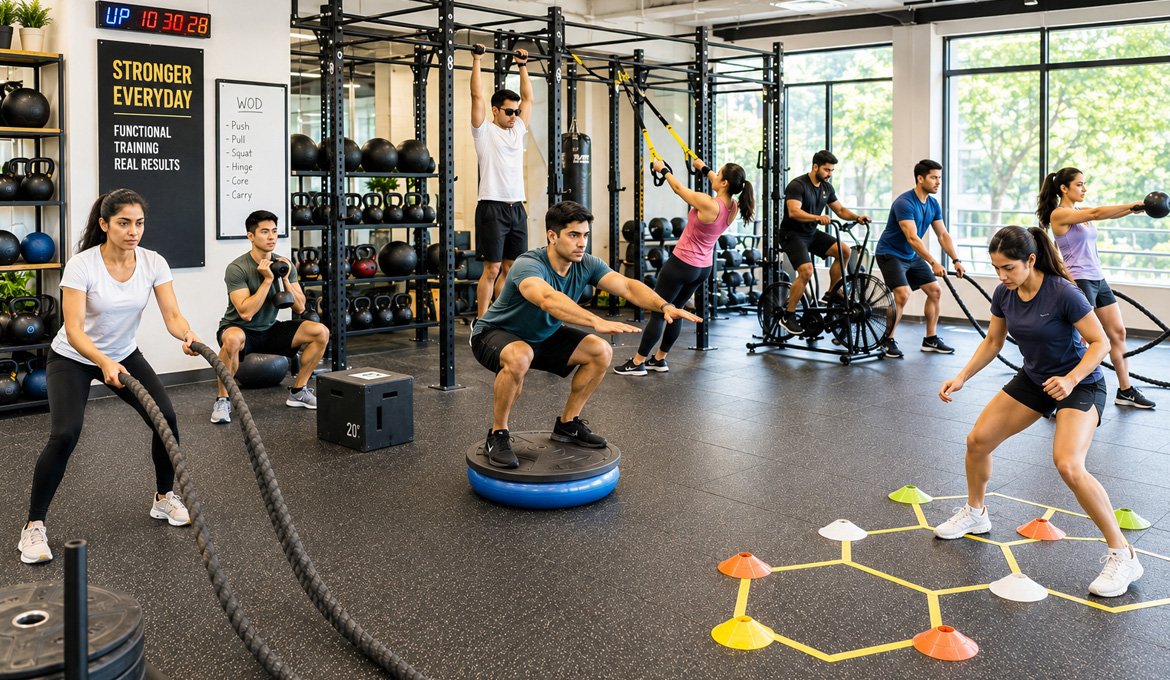
Functional Training is an approach to exercise that aims to improve the body’s ability to perform everyday activities, occupational duties, recreational tasks, and sports movements with greater efficiency, confidence, and safety. Unlike traditional exercise programmes that often isolate individual muscles, functional training emphasises integrated movement patterns involving multiple joints and muscle groups working together as a coordinated system. Typical functional movements include squatting, lunging, pushing, pulling, rotating, lifting, carrying, reaching, bending, and changing direction.
A specialised branch of this approach is Functional Strength Training (FST), which focuses on developing strength that can be transferred directly to real-life and sport-specific activities. FST combines traditional resistance training with the enhancement of movement quality, balance, stability, coordination, mobility, agility, and neuromuscular control. The objective is not merely to lift heavier loads but to improve the body’s ability to generate, absorb, and control force under real functional conditions.
The goals of functional training include improving stability, balance, strength, agility, coordination, mobility, and movement efficiency in situations that reflect the physical demands of daily life and sport. By training movement rather than isolated muscles, individuals become better prepared to cope with the challenges of work, recreation, and athletic participation.
Functional strength training utilises a wide variety of training methods and equipment, including free weights, kettlebells, medicine balls, suspension trainers, resistance bands, bodyweight exercises, agility drills, and integrated movement patterns. Exercises are frequently performed across the sagittal, frontal, and transverse planes of movement to better replicate real-life activities.
Fitness and sports professionals undertaking this programme receive intensive practical instruction in the application of body-resistance and weight-training methods to enhance physical performance for both everyday living and sport.
Why Functional Strength Training is Valuable for Fitness Professionals
Improves client outcomes by enhancing functional strength, mobility, balance, and coordination.
Increases client engagement through varied, dynamic, and enjoyable training sessions.
Reduces injury risk by correcting movement limitations and improving movement efficiency.
Expands programming options for children, adults, older adults, athletes, and special populations.
Enhances professional credibility through evidence-based exercise prescription and movement expertise.
Improves client retention by delivering individualised programmes that produce meaningful, real-world results.
Benefits for Clients
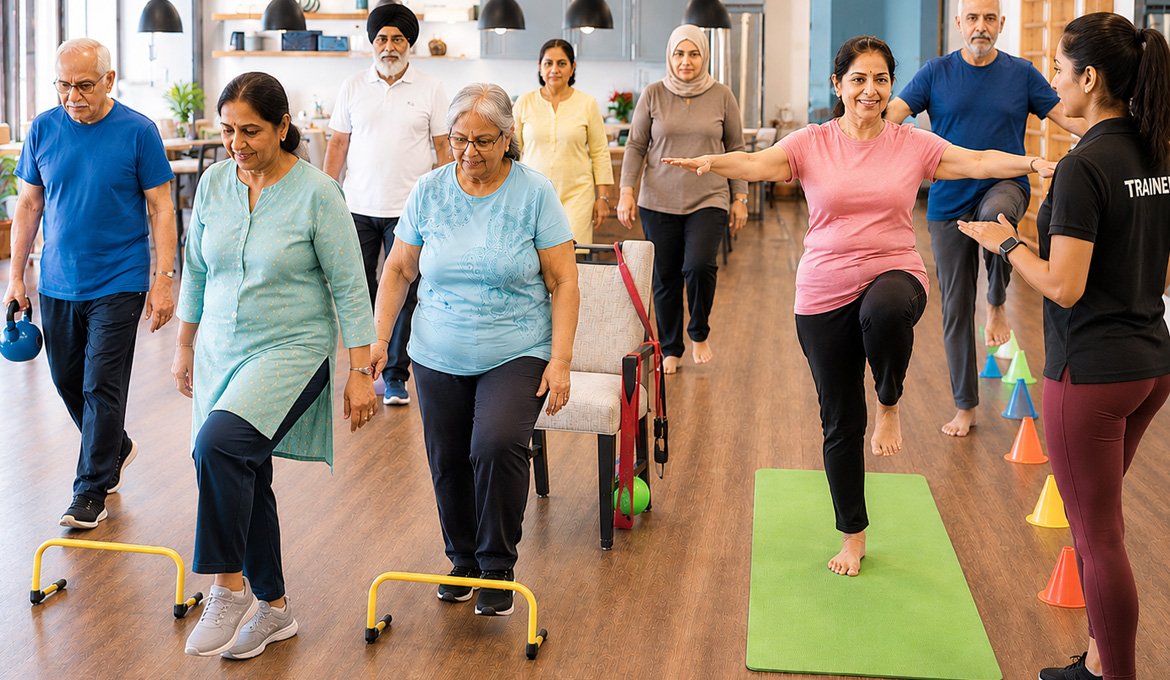
Clients often experience improved posture, greater balance and stability, enhanced strength for daily activities and sport, reduced risk of falls and training-related injuries, and increased confidence and quality of life.
By bridging the gap between exercise and real-world performance, Functional Strength Training enables people to move better, become stronger, and function more effectively in the activities that matter most.