
PLY-Introduction

Plyometrics is an exercise format that develops explosive power by combining speed and force in quick, purposeful movements. Common examples include jumps, hops, bounds, explosive push-ups and medicine ball throws. These exercises help people produce force rapidly, supporting movements used in sport and everyday physical activity.
Plyometric training uses the stretch-shortening cycle: muscles and tendons undergo a rapid stretch followed immediately by a forceful contraction. When appropriately selected and coached, these movements can improve jumping ability, acceleration and reactive strength. Combined with other training methods, they can support agility and sporting performance. Although demanding drills can raise the heart rate, plyometrics primarily develops explosive power rather than aerobic endurance.
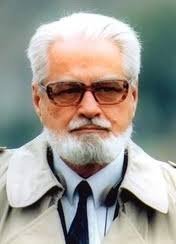
Dr Yuri Verkhoshansky made pioneering contributions through his “Shock Method,” particularly the use of depth jumps. His research and coaching helped establish foundations for modern plyometric training and influenced strength and conditioning practice worldwide.
Plyometrics is often associated with competitive athletes, but suitable introductory exercises can also be incorporated into fitness programmes for other clients. Exercise selection must reflect each person’s strength, movement skills, training experience and physical readiness. Advanced drills require greater preparation and should follow a planned progression.
For personal trainers, understanding plyometrics is valuable when working with clients whose sports require power, agility and rapid changes of direction. Effective coaching involves more than asking clients to jump: it requires clear objectives, appropriate exercise choices, controlled landings, suitable training volume and sufficient recovery between efforts.
Selected plyometric activities may also feature in later rehabilitation stages, under the guidance of qualified rehabilitation professionals, when the individual is ready to return to demanding activity.
The guiding principle is quality before quantity. Begin with manageable movements, develop sound technique and progress gradually. Used appropriately within a balanced programme, plyometrics can help clients move more powerfully, respond more quickly and perform with confidence.
Role of Plyometrics in Strength and Speed Development
Our plyometrics technique and progression clinic will show attendees how to –