
FRoM-Syllabus
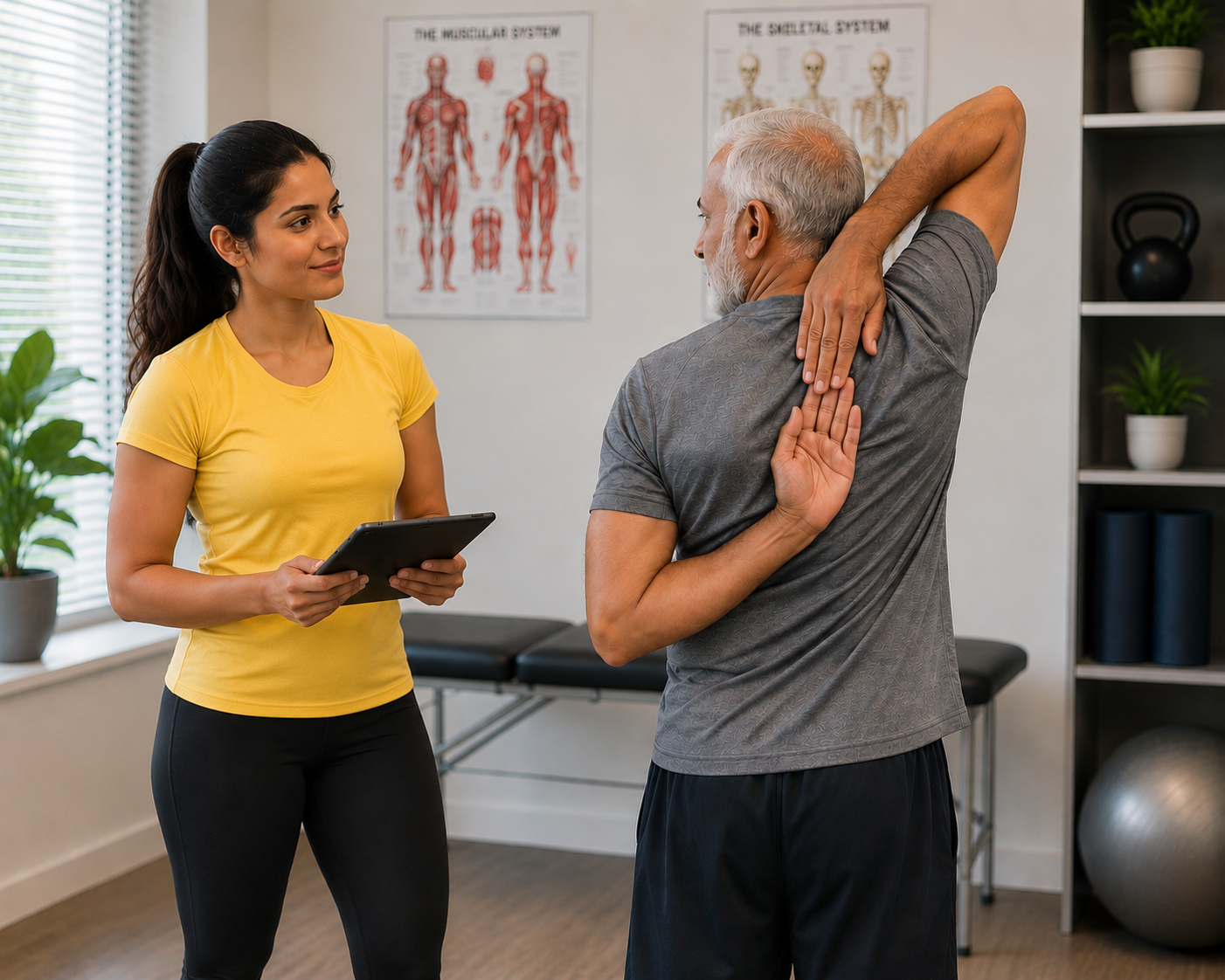
Phase 1: ONLINE
Module 1: Foundations of Flexibility, Mobility and Stretching
Introduction to Flexibility and Mobility
Definitions and terminology
Flexibility versus mobility
Active and passive range of motion
Functional flexibility
Anatomy and Physiology of Stretching
Muscle structure and function
Connective tissues: tendons, ligaments and fascia
Muscle spindles and Golgi tendon organs
Stretch reflex and neuromuscular adaptations
Flexibility Assessment
Factors affecting flexibility
Age, gender and training effects
Joint-by-joint mobility considerations
Common movement restrictions
Types of Stretching
Static stretching
Dynamic stretching
Ballistic stretching
Active stretching
Passive stretching
PNF stretching
Mobility drills
Module 2: Stretching for Fitness, Health and Performance
Stretching and Injury Prevention
Causes of movement restrictions
Flexibility and injury risk
Warm-up and cool-down applications
Stretching for Strength and Athletic Performance
Mobility requirements for strength training
Stretching before and after exercise
Flexibility for power, speed and agility
Stretching for Special Populations
Older adults
Obesity and deconditioning
Low back pain
Postural dysfunctions
Recreational and competitive athletes
Designing Flexibility Programmes
Assessment-based exercise selection
Frequency, intensity, time and type (FITT)
Progression principles
Home stretching programmes
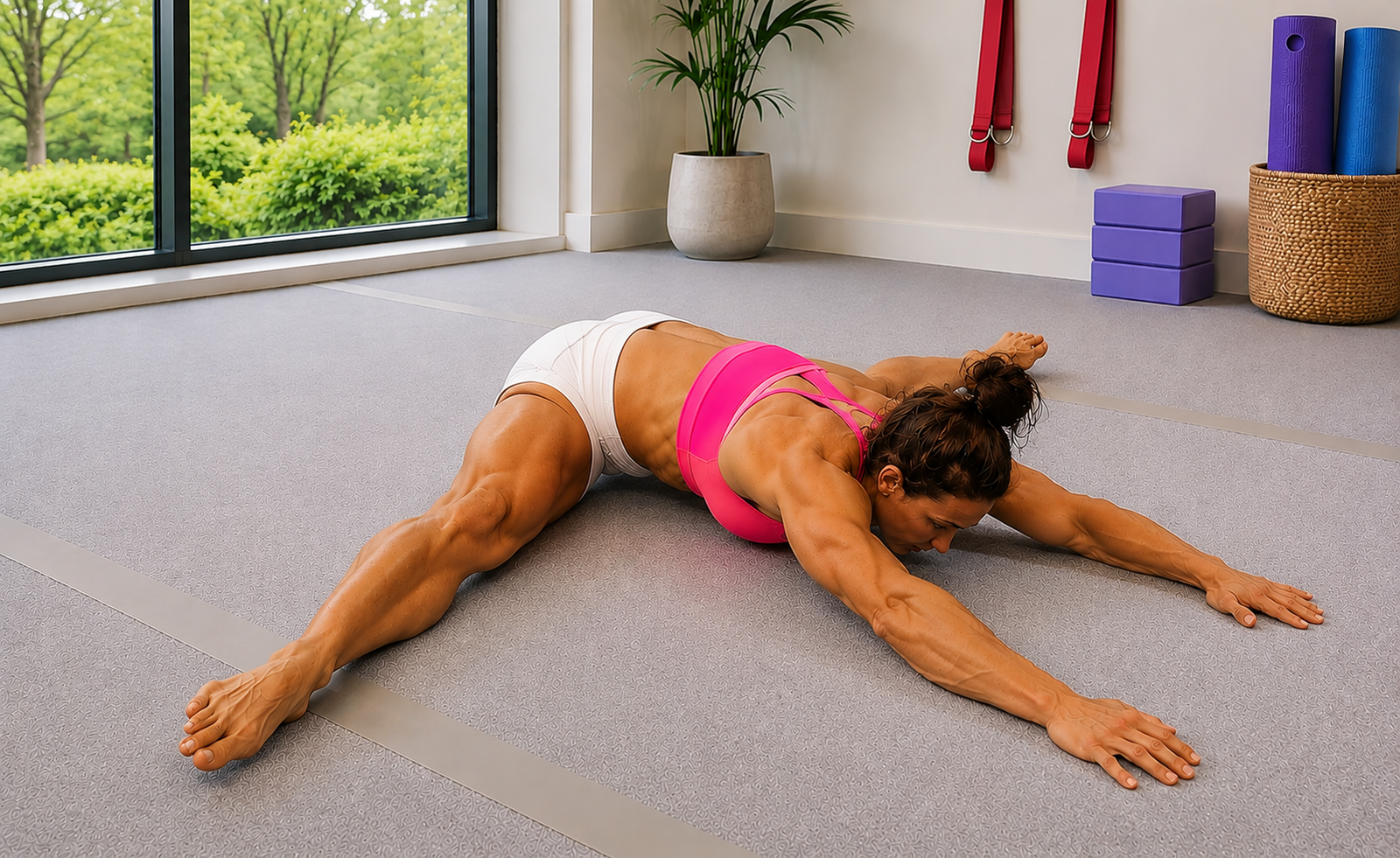
Phase 2: OFFLINE
Practical Stretching Laboratory
Part A: Assessment Workshop
Flexibility screening procedures
Joint mobility assessments
Postural assessment
Functional movement screening
Part B: Lower Extremity Stretching
Ankle and Foot
Gastrocnemius stretches
Soleus stretches
Plantar fascia mobility drills
Dynamic ankle mobility exercises
Knee Region
Quadriceps stretching
Hamstring stretching
IT band flexibility drills
Functional knee mobility exercises
Hip and Pelvis
Hip flexor stretching
Adductor stretching
Gluteal stretching
Piriformis stretching
Rotational mobility exercises
Part C: Spine and Trunk Stretching
Lower Back
Lumbar mobility exercises
Rotation stretches
Flexion and extension mobility drills
Thoracic Spine
Rotation mobility
Extension mobility
Functional spinal movement drills
Part D: Upper Body Stretching
Shoulder Complex
Rotator cuff stretches
Pectoral stretches
Latissimus dorsi stretches
Shoulder mobility flows
Elbow and Forearm
Wrist flexor stretches
Wrist extensor stretches
Forearm mobility drills
Neck and Cervical Spine
Neck mobility exercises
Stretching for upper trapezius
Levator scapulae stretches
Postural correction exercises
Part E: Applied Stretching Methods
Static Stretching Workshop
Dynamic Stretching Workshop
Active Stretching Workshop
Passive Stretching Workshop
Partner-Assisted Stretching
PNF Stretching Techniques
Mobility Flow Sequences
Part F: Stretching for Strength Development
Improving squat mobility
Improving deadlift mobility
Stretching for Olympic lifting
Stretching for running and endurance sports
Stretching for Pilates and Yoga clients
Stretching for older adults
Part G: Programme Design and Coaching
Participants will design and present:
A flexibility programme for a sedentary adult
A flexibility programme for an older adult
A stretching session for a strength-training client
A stretching session for a client with postural dysfunction
A mobility routine for athletes
Practical Resource Integration
Throughout the clinic, participants will learn how to utilise the Academy’s library of 250+ stretching videos, enabling them to prescribe and progress flexibility programmes for:
Ankle and Foot
Knee
Hip and Pelvis
Lower Back
Thoracic Spine
Shoulder Complex
Elbow, Wrist and Forearm
Neck and Cervical Spine
This clinic provides a practical, evidence-informed framework for assessing flexibility, applying stretching techniques, improving movement quality, enhancing strength-training performance, and developing safe, effective stretching programmes for clients of all ages and abilities.