
FRoM-Introduction
Specialist in Functional Range of Motion (Stretching for Flexibility & Strength)
Flexibility is the ability of a joint or series of joints to move freely through an available range of motion. Good flexibility allows the body to perform movements efficiently, safely, and with less restriction during daily activities, exercise, and sport.
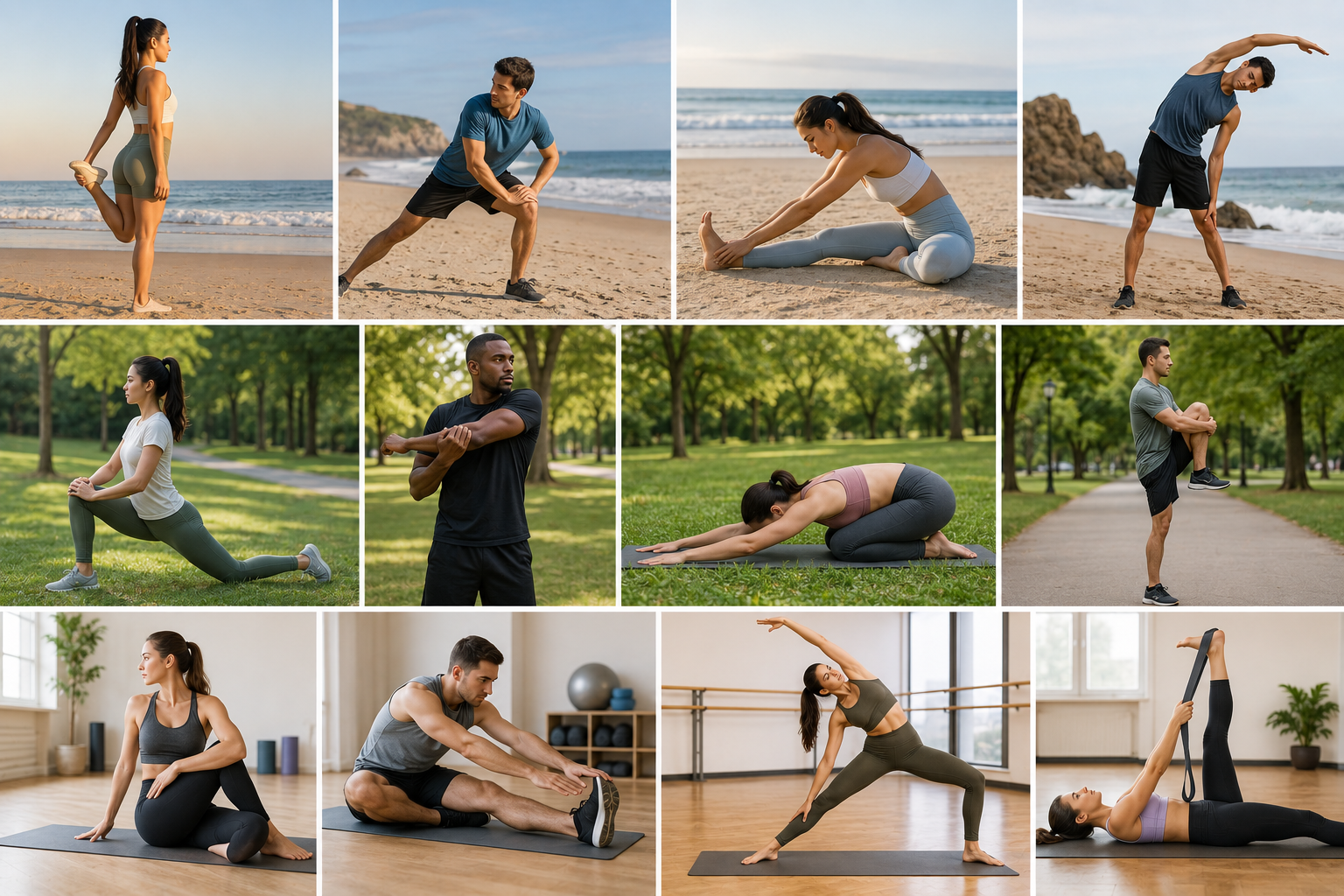
A common question is whether flexibility belongs to the joint, the muscles, or the connective tissues. In reality, flexibility is influenced by all three. The shape and structure of the joint determine its potential range of motion. Muscles surrounding the joint can either permit or restrict movement depending on their length and tension. Connective tissues such as tendons, ligaments, fascia, and joint capsules also contribute significantly by either allowing or limiting movement.
Stretching helps improve flexibility by gradually increasing the tolerance of muscles and connective tissues to elongation. Regular stretching can reduce muscle stiffness, improve movement efficiency, enhance posture, and support better exercise technique. It may also help reduce the risk of movement-related injuries when combined with appropriate strength and conditioning programmes.
There are several types of stretching, including:
Static Stretching – holding a stretch position for a period of time.
Dynamic Stretching – controlled movement through a range of motion.
Ballistic Stretching – bouncing movements used to increase range of motion.
Proprioceptive Neuromuscular Facilitation (PNF) Stretching – combines muscle contractions and stretching.
Active Stretching – using the opposing muscles to create a stretch.
Passive Stretching – using an external force such as a partner, gravity, or equipment.
For personal trainers, flexibility knowledge helps improve exercise selection, movement assessment, programme design, and coaching effectiveness. For clients, improved flexibility can enhance posture, movement quality, exercise performance, functional independence, and overall physical well-being. When combined with strength training, flexibility training contributes to a more balanced and efficient musculoskeletal system.